Housing
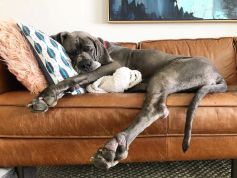
Great Danes are very calm dogs but do require an indoor space larger than a small apartment due to their large size. They are not well adapted to outdoor living, especially in the winter. They have a short thin coat of hair that will not be a good barrier from the elements.
Great Danes should not be left in a crate for long periods of time. They need to be able to stretch and mobilize since they have long limbs and common joint issues. You must also provide pet-proofing against their size, such as securing items they can knock over or reach, and ensuring access to joint-friendly flooring like rugs to prevent slips.
Feeding
This giant breed requires a significant amount of food daily. There is a high cost associated with feeding Great Danes. Adult female Great Danes require approximately 6-8 cups of food per day and males 8-10cups. High quality diet is crucial in ensuring good growth and development to prevent bone and joint issues. Great Danes need to eat high-quality dog food made for large breeds. Feeding a balanced commercial diet that’s specially formulated for large-breed dogs is the easiest way to ensure that your Great Dane receives optimal nutrition. Great Dane puppies should eat large-breed puppy food until they are 18 months old. Diets labeled “all life stages” are not appropriate for this size of dog, as Great Danes grow significantly more in height than smaller breeds, and their bones grow for a longer time.
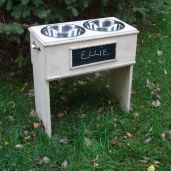
Calcium supplements should not be used without consulting your veterinarian. Over supplementing with vitamins and supplements could be harmful. Feeding small meals multiple times per day helps prevent gastric torsion. Puppies should be fed 3 times per day and adults twice per day. When feeding a Great Dane, it is also important to consider measures to reduce their risk of gastric issues. These measures may include: using a slow feeder to prevent your dog from eating too quickly. These come in many different patterns and colors and act like a maze for your dog’s tongue. It is also important to not allow your dog to exercise one to two hours after a meal.
Take care not to overfeed your dog or offer them too many treats. Treats should never be more than 10% of a dog’s daily calorie intake. Overfeeding and encouraging growth too quickly increases a Great Dane’s risk for hip and elbow dysplasia, osteochondritis, growing pains, and many other orthopedic diseases.
Exercise
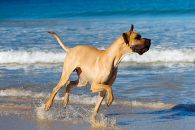
Exercise level will depend on factors such as age and physical condition. However, it is recommended that Great Danes are given the opportunity to exercise for about 60 minutes per day. Exercise can be achieved by the owner taking the dog for a walk or playing and mobilizing in a large backyard. They can make good companions on jogs or hikes, but avoid high-impact activities like jogging or jumping until they are fully grown, around 18 months to two years old to protect their developing bones and joints. Also , incorporate training sessions and puzzle toys to engage their minds and prevent boredom is important. As they grow into adulthood, you can slowly increase the duration and intensity of exercise.
Grooming
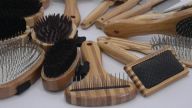
Great Danes have a short coat that is easy to maintain. They are considered to be a moderate shedder. Routine brushing can aide in keeping coat healthy and keeping hair off your furniture. It is also a good opportunity to assess your dog for skin concerns such as redness, sores, new rashes. When grooming also consider looking at their mucous membranes including nose and mouth as well as their eyes and the inside of their ears.
To help prevent gum disease it is also good practice to brush their teeth 2-3 times per week. To make grooming easier make sure you habituate your dog to this early on when they are puppies. As with all breeds, the Great Dane’s nails should be trimmed regularly, because overly long nails can cause the dog pain as well as problems walking and running. It is also important to clean your dog’s ears with a veterinarian recommended ear cleaner. Without regular cleanings, ear infections can develop.
Training
This is a calm and docile breed, however, due to its large size it is paramount that training occurs early in the puppy stage to ensure the owner has control of their dog. Without training, leash pulling could have severe consequences for the owner. Jumping habits can also have the potential to create injuring to humans and other pets around them. Early socialization also needs to be part of training regime. It is also important to use positive reinforcement when training.